Understanding Distribution Channels: Direct to Retail vs. Using a Distributor
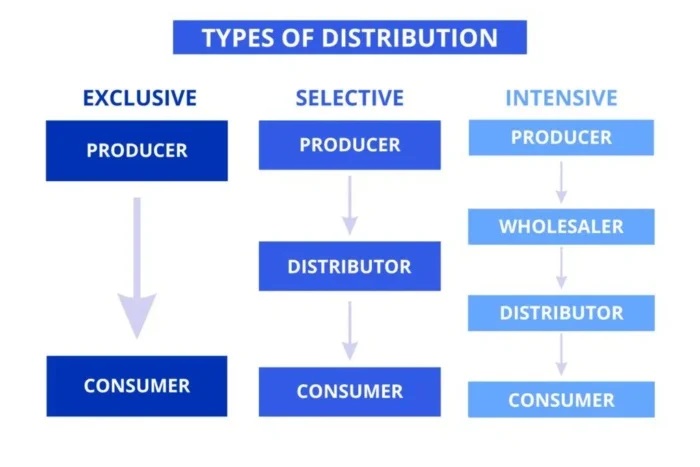
For some business revenue scale, one of the ultimate critical resolutions is how to get output into the hands of customers. The choice of distribution channel—whether going direct to retail or being delivered through a distributor—can significantly impact profit margins, brand visibility, and long-term progress.
Understanding these two approaches of “how to get your product in stores” helps trades form cognizant determinations that align accompanying their aims and resources.
What is Direct to Retail?
Direct to sell means selling products straightforwardly to stores without including intermediaries. In this model, implausible story approaches retailers, negotiates terms, and survives the supply chain independently.
Advantages of Direct to Retail:
· Higher Profit Margins:
Without middlemen, trades keep a larger portion of buying revenue.
· Closer Relationships accompanying Retailers:
Direct communication builds trust and helps secure better joint placement.
· Greater Control:
Companies claim authority over reducing, branding, and consumer experience.
Challenges of Direct to Retail:
· Time-Intensive:
Managing diversified retailer connections requires significant effort.
· Complex Logistics:
Handling inventory, shipments, and invoicing can strain tinier companies.
· Slower Expansion:
Scaling into diversified regions can be challenging without additional money.
What is a Distributor?
They act as the middle person between a retailer and a manufacturer. They purchase fruit all-inclusive and resell it to different stores, frequently leveraging settled networks.
Advantages of Using a Distributor:
· Wider Approach:
Distributors have access to many marketing channels, admitting faster display penetration.
· Reduced Workload:
They control management, store, and delivery, lessening the burden on trades.
· Lower Risk:
Since distributors often buy all-inclusive, manufacturers secure upfront auctions.
Challenges of Using a Distributor:
· Lower Profit Margins:
Distributors take a cut, reducing overall worth.
· Less Control:
Pricing, branding, and dealer relationships can be influenced by a piece distributor.
· Dependency Risk:
Relying excessively on an individual distributor can limit flexibility.
Choosing the Right Approach
The conclusion depends on your business amount, goals, and money:
· Best for Small or Local Brands:
Direct to retail everything well for startups targeting slot or regional markets. It admits hands-on control and more powerful retailer networks.
· Best for Growing Brands:
Distributors are ideal when a company wants to expand fast into larger markets without building a large logistics foundation.
Hybrid Approach: A Balanced Strategy
Some businesses integrate both forms. For example, they may close directly to local concentration stores while working with distributors to reach public chains. This approach balances worth, reach, and control while reducing reliance on individual channels.
Conclusion
There’s no one-length-fits-all solution when it comes to expectations distribution. Direct to sell offers control and higher borders, while distributors provide scale and usefulness. The key is to evaluate your trade objectives, available funds, and growth stage before selecting. In many cases, a hybrid model guarantees flexibility, helping brands grow sustainably while custody strong connections with retailers.